Between order and chaos - this was Into The Great Wide Open 2026


2026
Reflection
DATE
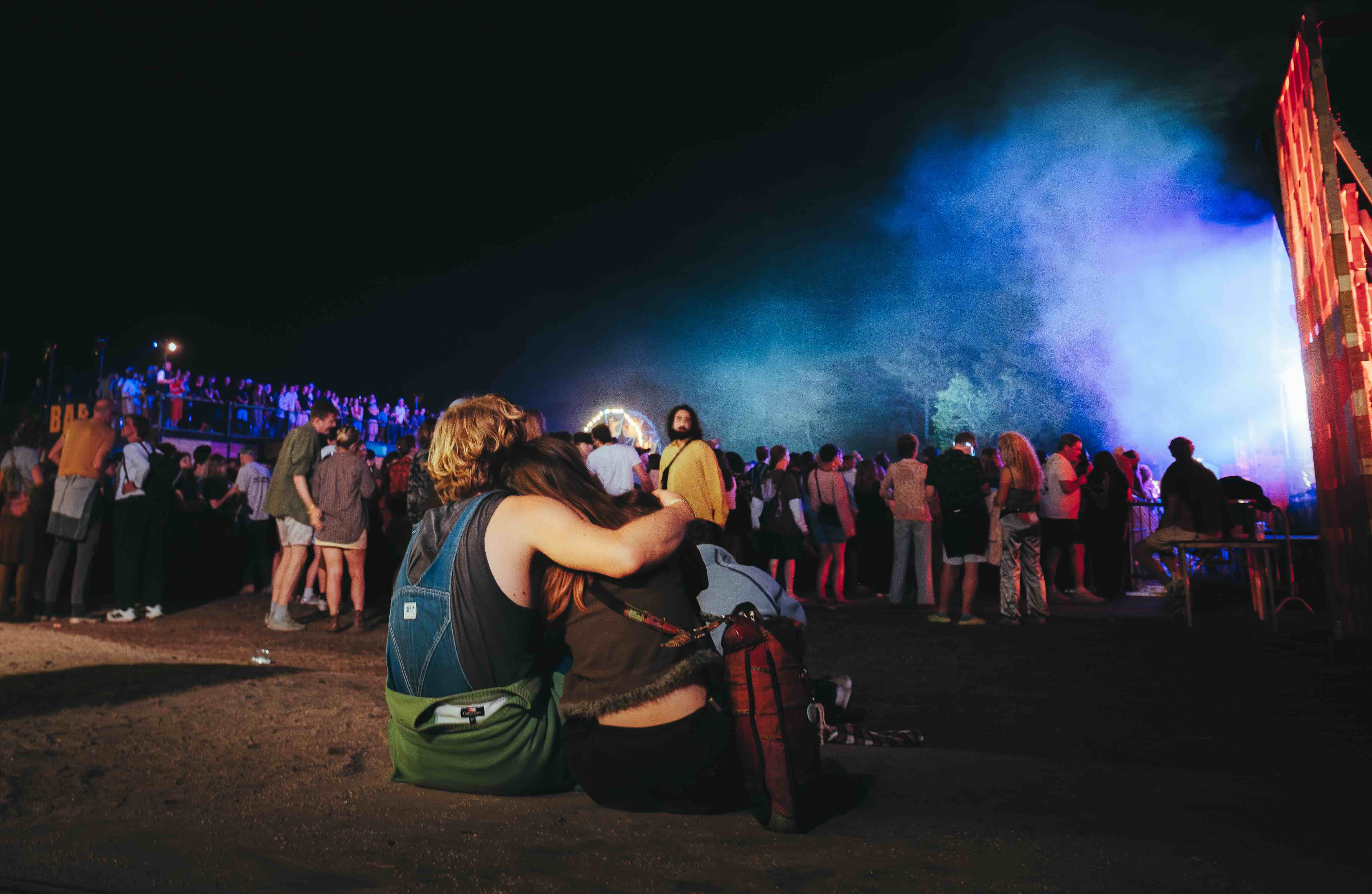
That was it, then. St. Paul St. Paul spun the sun down for the very last time; the sixteenth Into The Great Wide Open lies behind us. An edition shaped by order and chaos - two concepts that ran like a common thread throughout the weekend.
With the theme WAN/ORDE (DIS/ORDER), we embraced the chaos of everyday life. The theme originated in the art program, in which 10 artworks together formed a - sometimes disruptive - route between forest and beach. Disruptive in vulnerability was In Stillness, Fluid by Jeanine Verloop, an installation with dozens of glass threads, rhythmically shaking. Then the hyper-local ecosystems of Maksud Ali Mondal, in which he handed over control to microbes and fungi to grow lushly and define their own boundaries. For those who braved the high dune from camping Stortemelk to the beach, a surprise awaited in a green Monopoly-like house where a layered video work by Dani Ploeger let spectators feel the tension of image politics and territorial power.
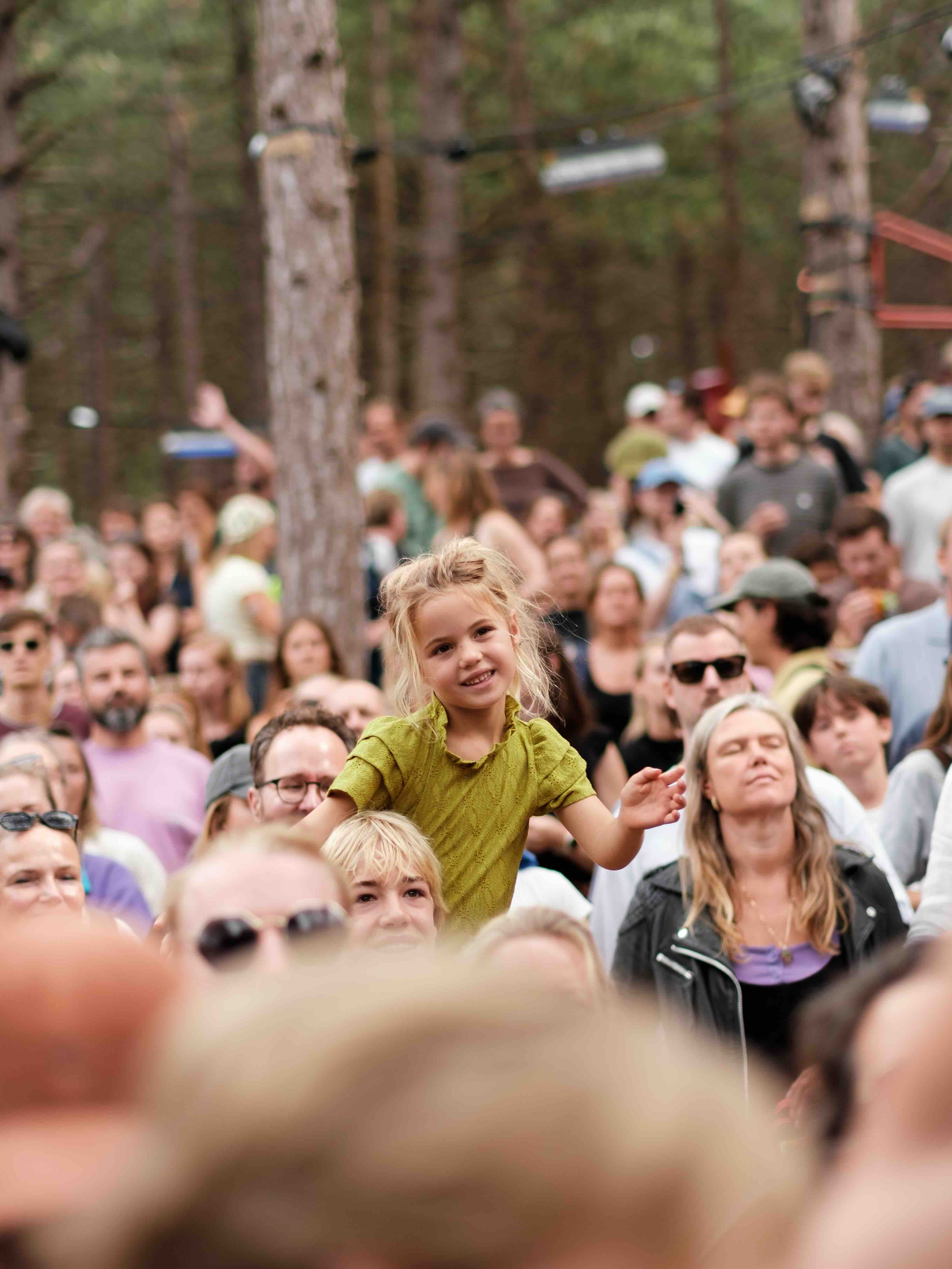
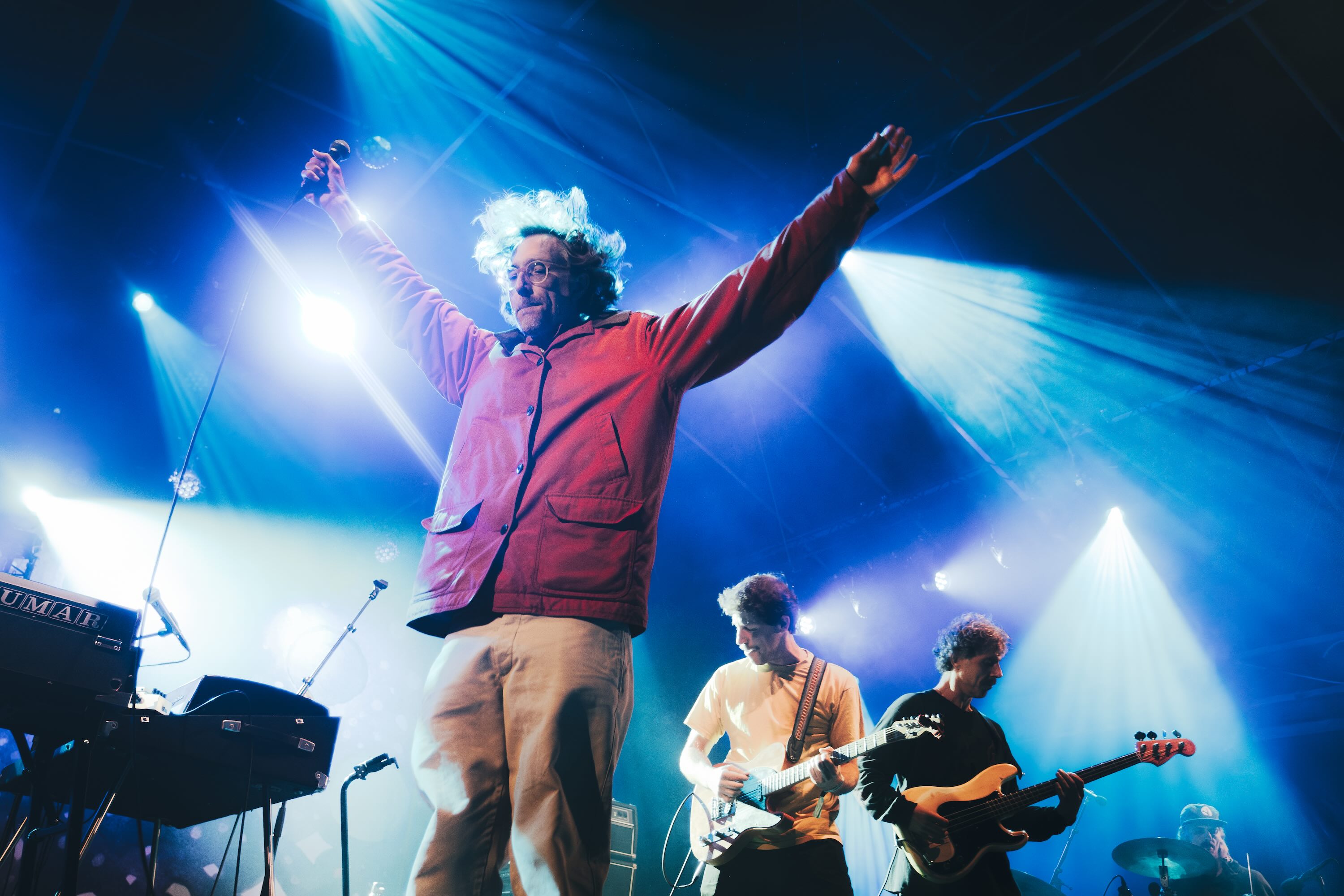
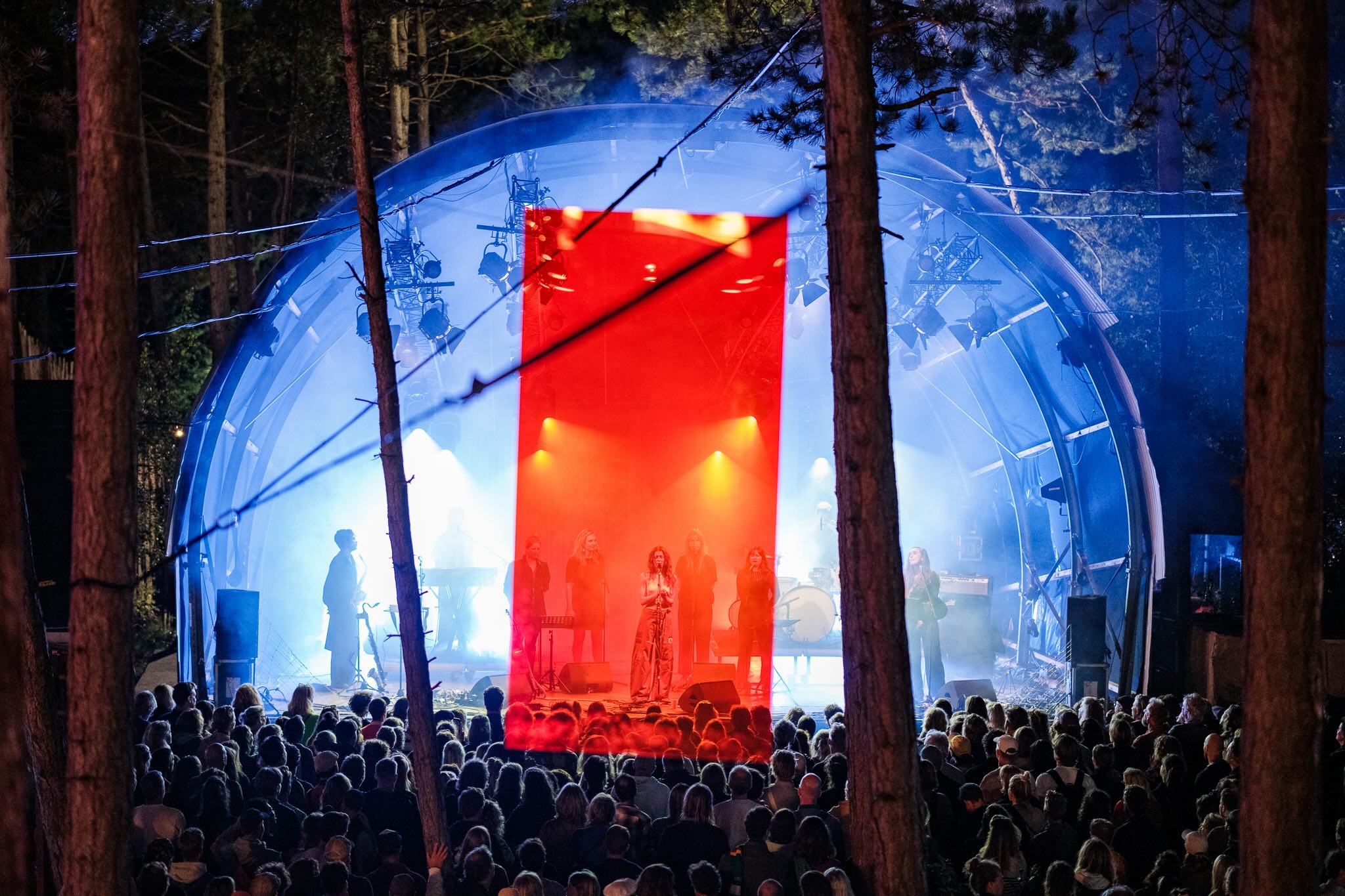
The stages offered a constant tumble between order and chaos: concentrated primal force from Model/Actriz, overwhelming vulnerability courtesy of Jacob Alon, and microtonally measured asymmetry by Angine de Poitrine, the Canadian internet phenomenon making their first Dutch appearance.
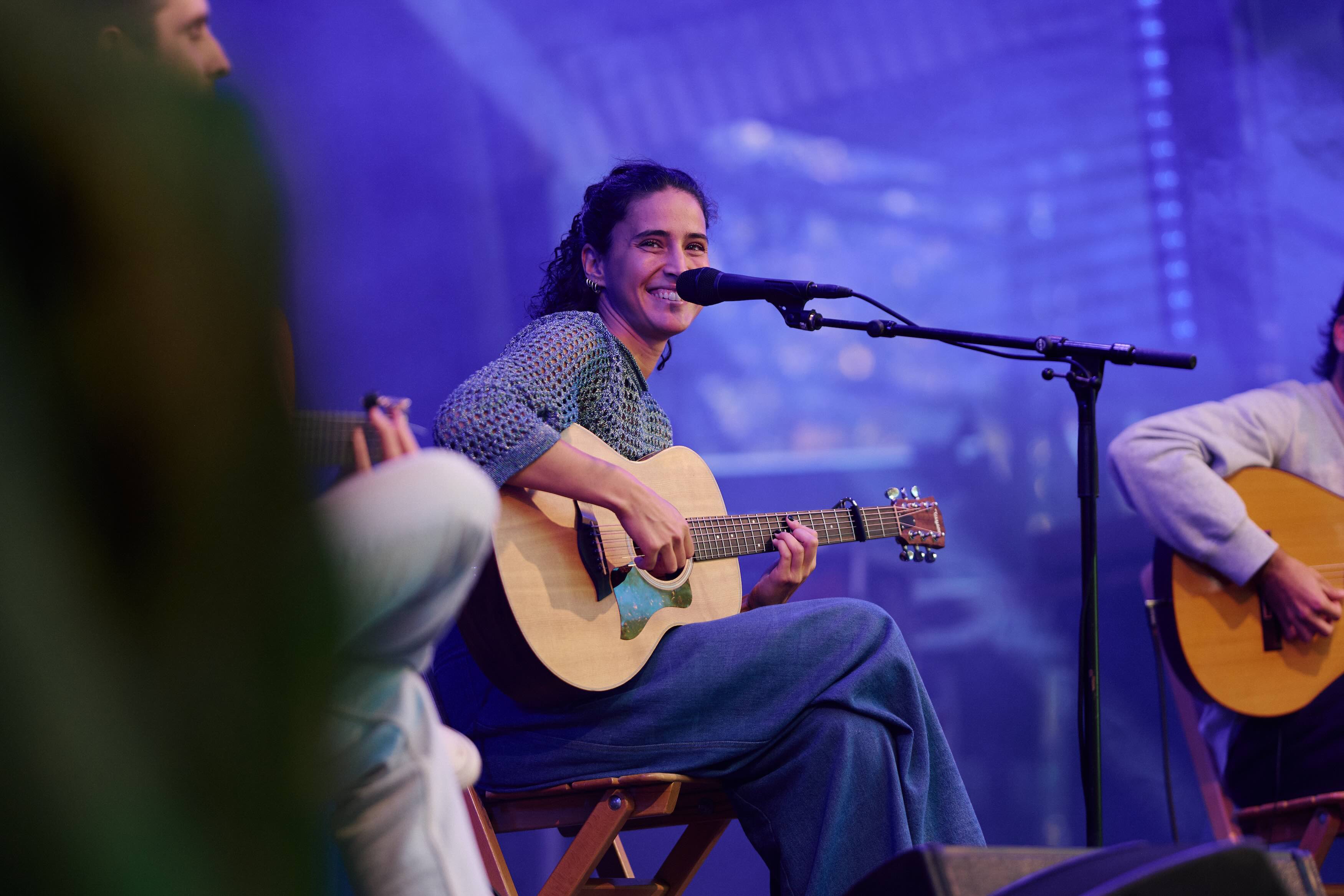
At De Open Plek, Madra Salach combined Irish traditions with contemporary fury, IJSLAND let an anti-capitalist iconoclasm blow across Het Sportveld, and the twelve jazz virtuosos of Dune Sessions presented the result of a week of pure improvisation. SMIB brought lightning to the forests, and Muskila & Simone Abdallah filled the dance floor with Arabic sounds.
So it was steady cycling for the music lover, yet there were also moments of stillness. In the Nicolaaskerk, we paid tribute to writer, poet, and philosopher Lieke Marsman, who just last year let us feel the power of gentle resistance. In that same spot, her words echoed again, carried by friendly voices - and by Marsman herself. And once again, they hit incredibly hard.
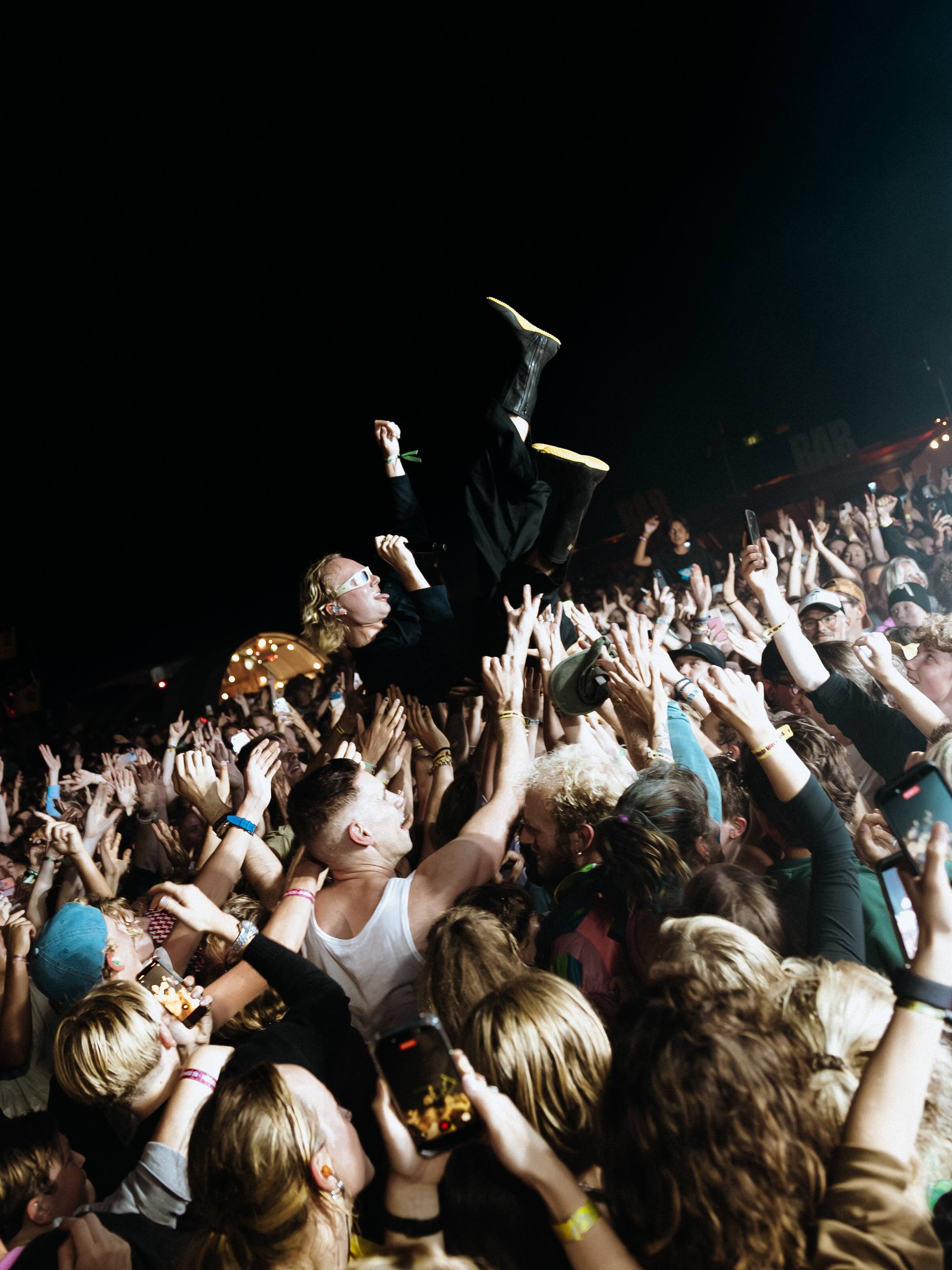
A festival as a mini-society also offers a lot of opportunities to drastically change the rules of the game. What happens, for instance, when you run a festival location completely without fossil emissions? We investigated that question at Bouwplaats van de Toekomst (Construction Site of the Future) - a testing ground for sustainability, where professionals from the construction and festival worlds experimented fully with new innovations. With major eye-catchers: a stage made of bamboo, a bidirectional charging system, and a location for 2,500 visitors that draws its energy entirely from hydrogen.
More than enough sustainable initiatives on the island, then, but the biggest challenge lies on the mainland. Indeed, it is the journey to the festival that causes the most emissions. To reduce this, we developed the Goede Reisplanner (Good Travel Planner). A tool that maps out the smartest fossil-free journey to the ferry terminal in Harlingen. Sustainable travelers received a €15 Good Travel credit in return. Unredeemed vouchers end up in the Transition Fund, which is used to finance future sustainable initiatives.
While the adults frolicked carefreely for a weekend, the hard work was done by the very youngest. At De Pukkel, a factory ran on full imaginative power. A place where children built, demolished, and the most wonderful creations arose: art to wipe your bottom with, a philosophical children's news program, and museum pieces made of mud.
All that demolishing, building, dancing, and discovering makes you hungry; to satisfy it, there was a multicolored range of food and drink. Rooted in local products, inspired by international traditions and stories - always with an eye on a sustainable future.
This sustainable ambition resonated throughout the entire program, not only ecologically, but also in the way we live together. For instance, de Jeugd (the Youth) - a group of fourteen to eighteen-year-old festival-goers - seized power and squatted De Bolder (‘Rent too high, BPM too!’), and the film program also showed how people in all kinds of places rise up against unjust circumstances. But the resistance sounded perhaps loudest from a tiny base at De Pukkel. Here, in the Clubhuis, De Unie made a polyphonic call: Resist, do not panic, and join an organization, club, cooperative, or association.
Because resistance only counts when you do something. When you engage in conversation with each other, show vulnerability, and unite. And if that is possible for four days on Vlieland, why not always and everywhere. Into The Great Wide Open 2026 showed: the gentle forces will surely win.
Let the 'Waddenweemoed' begin. We are going to enjoy the memories to the fullest and will return next year. Into The Great Wide Open 2027 takes place from September 2 to 5. See you then.