Art

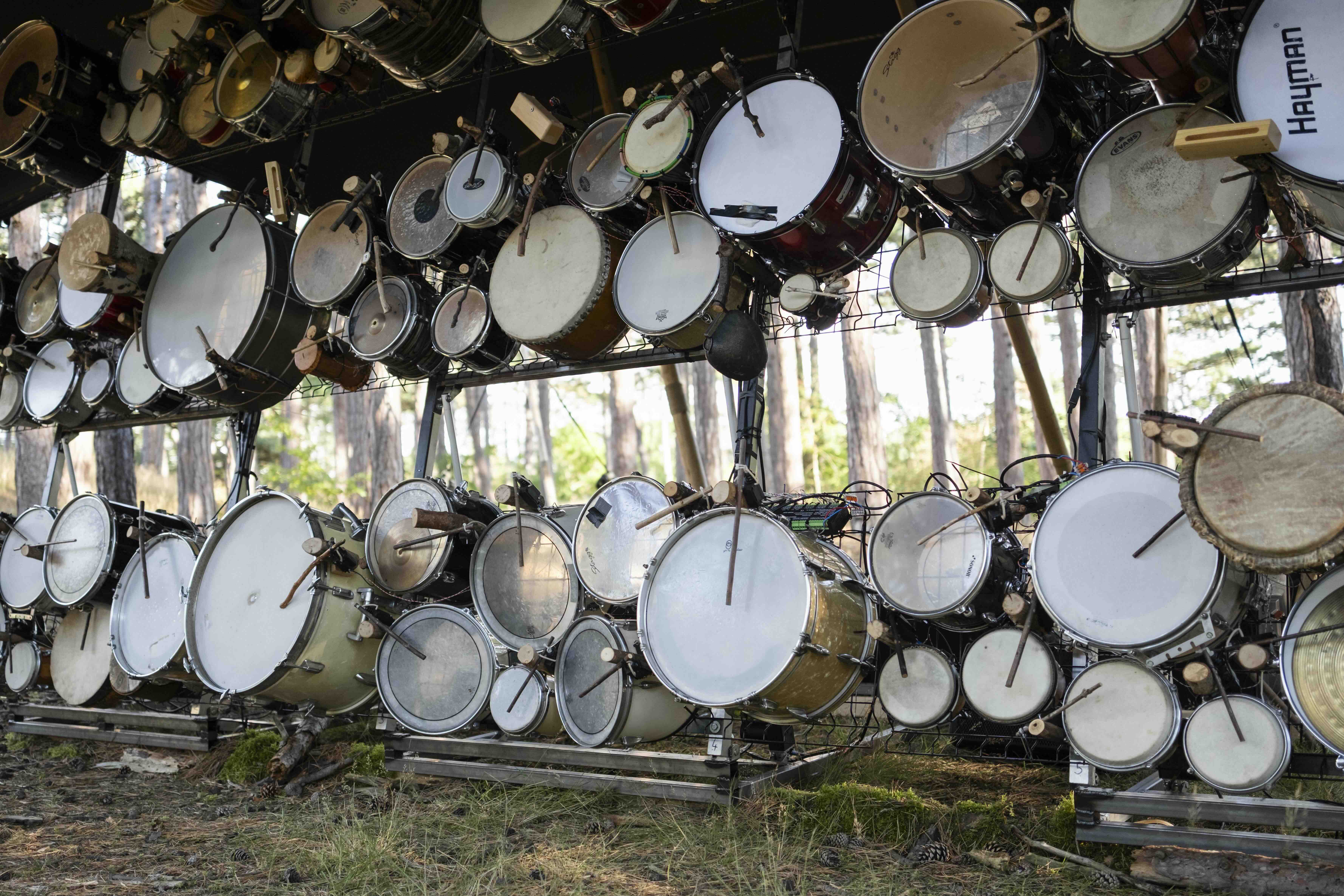
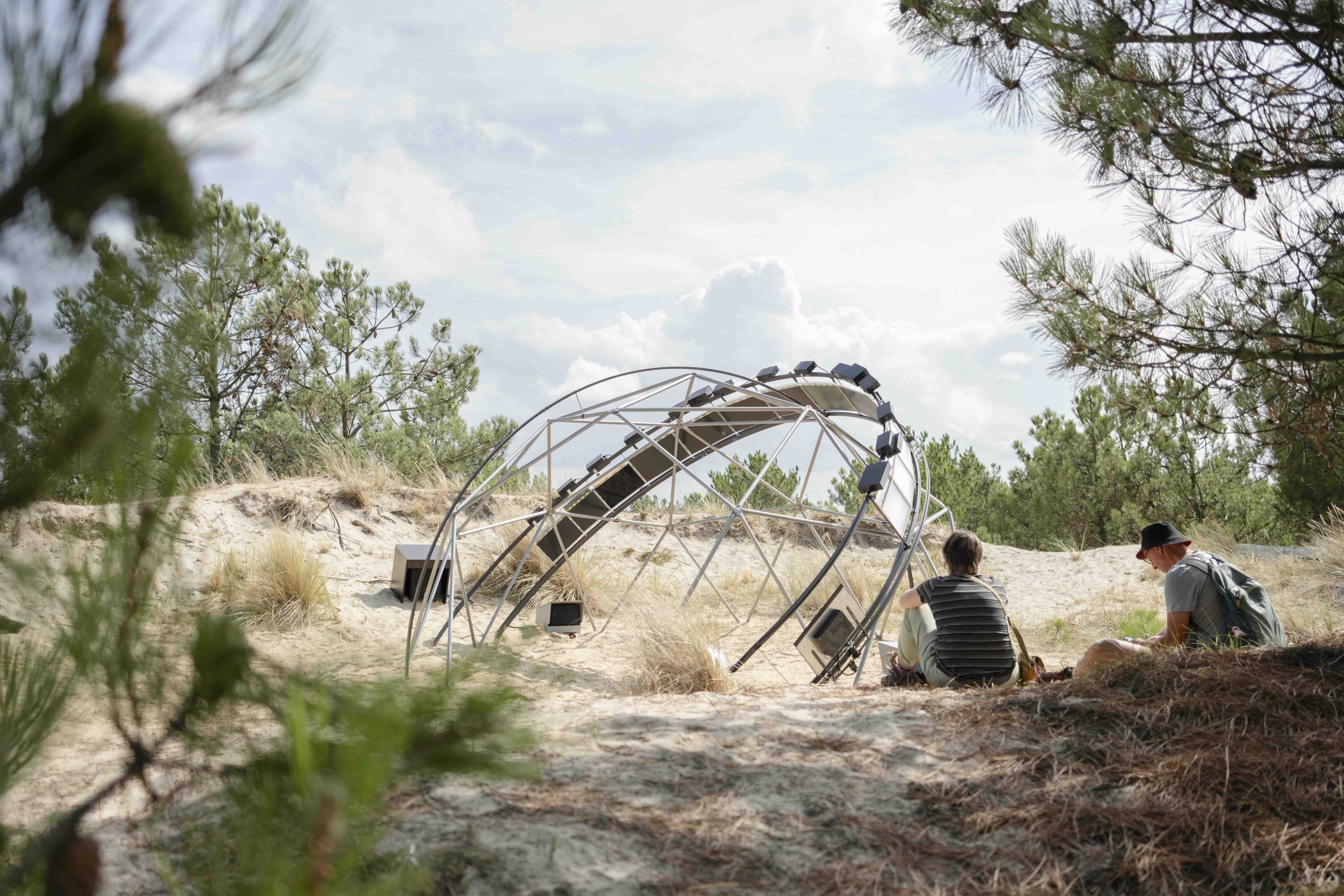
Art par excellence can make us see the world around us differently. One of the pillars of the festival is the multidisciplinary art program, which takes place between and around the various stages, in the forests, dunes, beach, and in the village.

Art par excellence can make us see the world around us differently. One of the pillars of the festival is the multidisciplinary art program, which takes place between and around the various stages, in the forests, dunes, beach, and in the village.

AUG 27-31

Each year we choose a theme that runs like a common thread through the art programming. It brings the different elements together and adds a context or new perspective to the collection of artistic expressions. We provide this common thread in advance as a source of inspiration for the artists who create a new work for us. This year, we follow the common thread Currents, about currents that are decisive for nature, but also for how societies form and shift. Powerful or gentle, colliding or harmoniously.

ART PROGRAM 2025

2025: Currents

Flood and ebb are natural phenomena that affect the water level of the sea. They are caused by the gravitational pull of the moon and the sun on the earth, combined with the rotation of the earth. These tides cause a regular rising and falling of the seawater. In many cultures around the world, the tides of the sea are not only seen as a natural phenomenon but also carry deeper symbolic meanings. In various coastal communities, such as those in Southeast Asia and the Polynesian islands, the tides are seen as a source of life and prosperity. The flood often brings fertile silt and nutrients ashore, which is beneficial for agriculture and fishing. The sea nourishes not only the people, but the returning tides also symbolize hope and the promise of continuity.


2025: Currents

Tides are natural phenomena that influence the water level of the sea. They are caused by the gravitational pull of the moon and the sun on the Earth, combined with the rotation of the Earth. These tides cause a regular rise and fall of the seawater. In many cultures around the world, the tides of the sea are not only seen as a natural phenomenon but also carry deeper symbolic meanings. In various coastal communities, such as those in Southeast Asia and the Polynesian islands, the tides are seen as a source of life and prosperity. The flood often brings fertile silt and nutrients ashore, which is beneficial for agriculture and fishing. The sea not only nourishes the people, but the returning tides also symbolize hope and the promise of continuity.

At the same time, the tides also bring a sense of fear and threat, especially for communities that are on one hand dependent on the sea but also vulnerable to its whims. In Norse mythology, for example, the sea is often depicted as an unpredictable and dangerous force, and in Japan, the concept of tsunami – a sudden and deadly tidal wave – plays a prominent role in the collective psyche. Ebb and flow are sometimes seen as symbols of the cycle of destruction and renewal that is inherent to nature. The realization that life is subordinate to the rhythm of the elements can also be seen closer to home, with islanders who live with it every day. They live in silent harmony with the tides and nature. For them, the rising tide is not just a symbol but also a source of life and prosperity, while the falling tide is both a force and a reminder of loss, weakness, and death.

Anthropologist Sir James George Frazer wrote about this in his literary work The Golden Bough: “Another ancient belief, attributed to Aristotle, was that no creature can die except at ebb tide. The belief, if we can trust Pliny, was confirmed by experience, so far as regards human beings, on the coast of France. (...) In Portugal, all along the coast of Wales, and on some parts of the coast of Brittany, a belief is said to prevail that people are born when the tide comes in, and die when it goes out.”

At the same time, the tides also bring a sense of fear and threat, especially for communities that are on one hand dependent on the sea but also vulnerable to its whims. In Norse mythology, for example, the sea is often depicted as an unpredictable and dangerous force, and in Japan, the concept of tsunami – a sudden and deadly tidal wave – plays a prominent role in the collective psyche. Ebb and flow are sometimes seen as symbols of the cycle of destruction and renewal that is inherent to nature. The realization that life is subordinate to the rhythm of the elements can also be seen closer to home, with islanders who live with it every day. They live in silent harmony with the tides and nature. For them, the rising tide is not just a symbol but also a source of life and prosperity, while the falling tide is both a force and a reminder of loss, weakness, and death.

Anthropologist Sir James George Frazer wrote about this in his literary work The Golden Bough: “Another ancient belief, attributed to Aristotle, was that no creature can die except at ebb tide. The belief, if we can trust Pliny, was confirmed by experience, so far as regards human beings, on the coast of France. (...) In Portugal, all along the coast of Wales, and on some parts of the coast of Brittany, a belief is said to prevail that people are born when the tide comes in, and die when it goes out.”

At the same time, the tides also bring a sense of fear and threat, especially for communities that are on one hand dependent on the sea but also vulnerable to its whims. In Norse mythology, for example, the sea is often depicted as an unpredictable and dangerous force, and in Japan, the concept of tsunami – a sudden and deadly tidal wave – plays a prominent role in the collective psyche. Ebb and flow are sometimes seen as symbols of the cycle of destruction and renewal that is inherent to nature. The realization that life is subordinate to the rhythm of the elements can also be seen closer to home, with islanders who live with it every day. They live in silent harmony with the tides and nature. For them, the rising tide is not just a symbol but also a source of life and prosperity, while the falling tide is both a force and a reminder of loss, weakness, and death.

Anthropologist Sir James George Frazer wrote about this in his literary work The Golden Bough: “Another ancient belief, attributed to Aristotle, was that no creature can die except at ebb tide. The belief, if we can trust Pliny, was confirmed by experience, so far as regards human beings, on the coast of France. (...) In Portugal, all along the coast of Wales, and on some parts of the coast of Brittany, a belief is said to prevail that people are born when the tide comes in, and die when it goes out.”

Bij de moderne mens ontbreekt vaak het besef van het noodzakelijke ritme tussen twee elementen die elkaar nodig hebben en in balans houden. We zijn gericht op 'meer', 'groter', 'sterker' en zien eindeloze groei als het ultieme doel. Maar juist dit streven naar constante groei kan leiden tot zelfvernietiging. Zonder de erkenning van twee tegenpolen als belangrijke dynamiek raken we uit balans, wat op de lange termijn destructief kan zijn.

Het begrip van eb en vloed is dan ook op veel manieren door te voeren - het gaat ook over aantrekken en afstoten; komen en gaan, en de cycli van dag en nacht; en groei en verval. Elk van deze processen laat zien dat tegenstellingen nodig zijn om de balans te bewaren en dwingt ons om het belang van beide kanten te erkennen, waarbij het ene niet zonder het andere kan bestaan.

Naast een onderzoek naar de wetten van de fysica – ofwel de natuurkundige betekenis van deze balans tussen de twee tegenpolen – openen we met dit programma ook de maatschappelijke invulling van dit fenomeen. Currents gaat over stromingen in alle richtingen. We verkennen niet alleen de grenzen van tegenpolen, maar ook het schemergebied daartussen, waar de tegenstellingen elkaar raken, in botsing komen en voor chaos zorgen of waar juist nieuwe mogelijkheden ontstaan. De vraag aan de makers is om ons te laten ervaren wat die krachten zijn, hoe we harmonie tussen uitersten kunnen bereiken en hoe dat ons kan helpen om een toekomst te bouwen en als fundament kan dienen waarmee we als samenleving verder kunnen.

NEWSLETTER

Receive POST, our newsletter about what moves, inspires, fascinates, or simply is fun.

INTO THE GREAT WIDE OPEN

INTO THE GREAT WIDE OPEN

INTO THE GREAT WIDE OPEN

NEWSLETTER

Receive POST, our newsletter about what moves, inspires, fascinates, or simply is fun.

INTO THE GREAT WIDE OPEN

INTO THE GREAT WIDE OPEN

INTO THE GREAT WIDE OPEN

NEWSLETTER

Receive POST, our newsletter about what moves, inspires, fascinates, or simply is fun.

INTO THE GREAT WIDE OPEN

INTO THE GREAT WIDE OPEN

INTO THE GREAT WIDE OPEN